
AI Infrastructure Winners
Forget picking the best model. The durable economics of the AI boom sit in the layers underneath it.
Bottom Line Up Front
Hundreds of billions of dollars a year are now flowing into AI infrastructure. That money doesn't vanish — it lands somewhere. This report maps where.
The pattern worth internalizing: the fiercest competition sits at the top of the stack, where the models live. The most durable economics sit lower down, in layers with real scarcity — regulated power, sold-out equipment, entitled land, and credit.
The reason is simple. Models compete with each other and get cheaper every quarter. Transformers, turbine slots, and grid connections don't have rivals showing up every quarter. Scarcity, not glamour, is what protects a profit.
One thing this report is not: investment advice. We're mapping a system, not recommending securities. Who benefits structurally and who benefits as a shareholder are different questions — price decides the second one, and we take no view on price.
The man who sold shovels
In 1848, a San Francisco shopkeeper named Sam Brannan heard gold had been found at Sutter's Mill. He didn't grab a pan and head for the river. He bought up the region's supply of picks, shovels, and pans, then walked the streets shouting the news. The miners mostly went broke. Brannan became one of California's richest men.
Every boom re-teaches the lesson: when everyone digs, study who sells shovels. But the cliché is usually left half-finished. The interesting question isn't "who sells to the boom?" — nearly everyone does. It's "who sells something the boom can't get anywhere else?" Brannan won because, for one crucial season, he was the only one holding the shovels.
So take one dollar of AI infrastructure spending and follow it down the stack: chips; the servers, memory, and networking around them; the building — land, concrete, cooling, electrical gear; the power; and the financiers who front the money for all of it. At each layer, ask the Brannan question: how many sellers are there, and how fast can new ones show up?
Scarcity, layer by layer
Run that test and the stack sorts itself into three tiers.
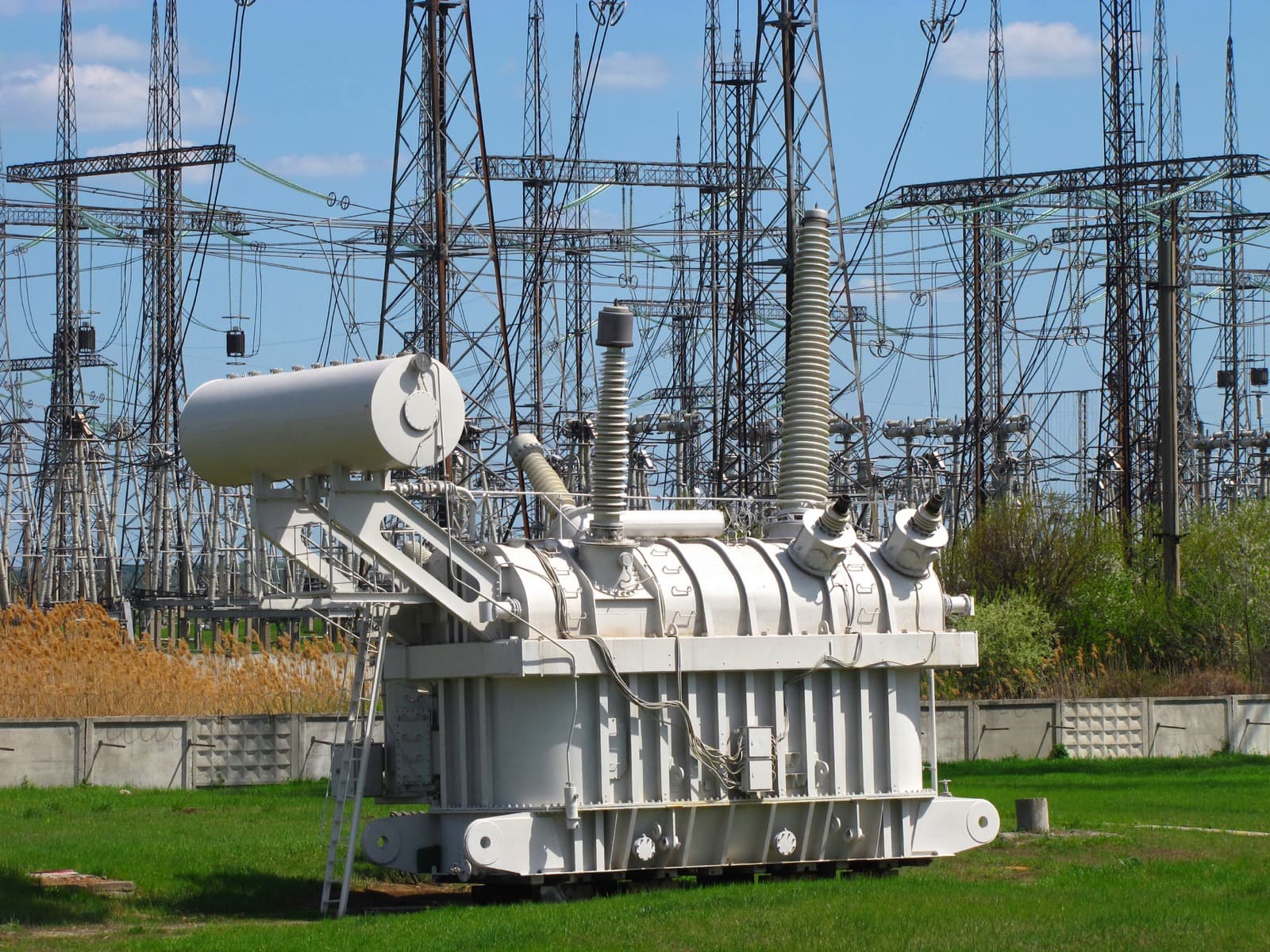
Durable scarcity. At the bottom sit businesses where new competitors can't appear quickly no matter how much money arrives. Regulated utilities in data-center regions earn a government-approved return on every dollar of grid they build — the largest expansion of their asset base in generations. Electrical-equipment makers carry backlogs stretching years; as we showed in Electricity Is the New AI Bottleneck, turbine slots into the 2030s are already claimed. Owners of entitled land — sites with permits and secured power — hold something that takes years to replicate, the whole story of The Data-Center Land Grab. And memory and packaging capacity, the chokepoints from Why AI Needs More Than GPUs, remain effectively sold out.
Contested middle. Servers, networking gear, construction, cooling. Real revenue, genuine growth — but multiple capable suppliers, which means customers with enormous purchasing power can squeeze margins. Good businesses, weaker moats.
The knife fight. At the top: the models and the applications built on them. This is where customer value is created — and where competition is most brutal, with capability leads measured in months and prices falling relentlessly. Value creation and value capture are different things. The internet created oceans of value; most dot-coms captured none of it.
Then there's the layer people forget: credit. An increasing share of the buildout is financed through leases, joint ventures, and private lending rather than corporate cash. Lenders earn their return whether or not the AI applications succeed — as long as the borrower survives. Financing is the quietest shovel of all, and it's also where losses will concentrate if utilization disappoints: this layer benefits structurally and carries the tail risk.
When you hang a bird feeder, the cardinals get the show — flashes of red, territorial squabbles, the drama every window-watcher follows. But the seed company gets paid every month, in every season, no matter which bird wins the branch. Most attention in AI goes to the birds. Most of the reliable cash flows to the seed.
One caution: "structural winner" is not "safe." Utilities face political limits on cost pass-through, equipment backlogs can be cancelled, and landowners need the boom to keep arriving. Scarcity protects margins only while demand holds.
Key Judgments
- Over the next five years, a disproportionate share of durable AI profits accrues below the model layer — in power, equipment, land, and credit — while the model layer stays fiercely contested.
- Regulated utilities in data-center corridors are the least-appreciated structural beneficiaries, because rate-base growth compounds regardless of which AI company wins.
- The middle of the stack (servers, networking, construction) grows enormously but concedes margin to concentrated buyers.
- Private credit's AI exposure becomes a meaningful financial-stability question by 2028 — the same position, lender to a boom, that has defined every infrastructure cycle's eventual stress point.
Risks & Counterarguments
The map has an expiration condition: it assumes the buildout continues. If AI revenue disappoints and capex is cut, the "durable" layers suffer too — backlogs shrink, land prices reset, and utilities holding half-built plants fight regulators over who pays. Scarcity pricing works in both directions.
There's also a real chance the model layer consolidates into a few winners with genuine pricing power, pulling value capture back up the stack — the opposite of our thesis. And regulated returns invite regulated backlash: if residential bills keep rising, politicians will claw back the utilities' windfall.
Why It Matters
The AI debate is usually framed as a contest between labs. Framed as a system, the better question is where the money settles when it stops moving. Whether the boom delivers or disappoints, the physical and financial layers beneath it are being rebuilt now — and that architecture shapes policy, power bills, and clear thinking amid the noise. It bears repeating: this is a systems map, not investment advice.
What We're Watching
- Utility rate-base growth and approved returns in data-center states — the scoreboard for the regulated layer.
- Equipment-maker backlogs versus cancellations. Backlog quality, not size, is the signal.
- Pricing trends at the model layer. Stabilizing prices would mean value capture is migrating upward — against our thesis.
- The spread between entitled and raw land prices in the major corridors.
Sources: utility rate filings and integrated resource plans; GE Vernova, Eaton, and Vertiv disclosures via SEC EDGAR; hyperscaler capital-expenditure disclosures; private-credit fund reports; FERC interconnection data. This is analysis, not investment advice.